




Healthy Inspirations
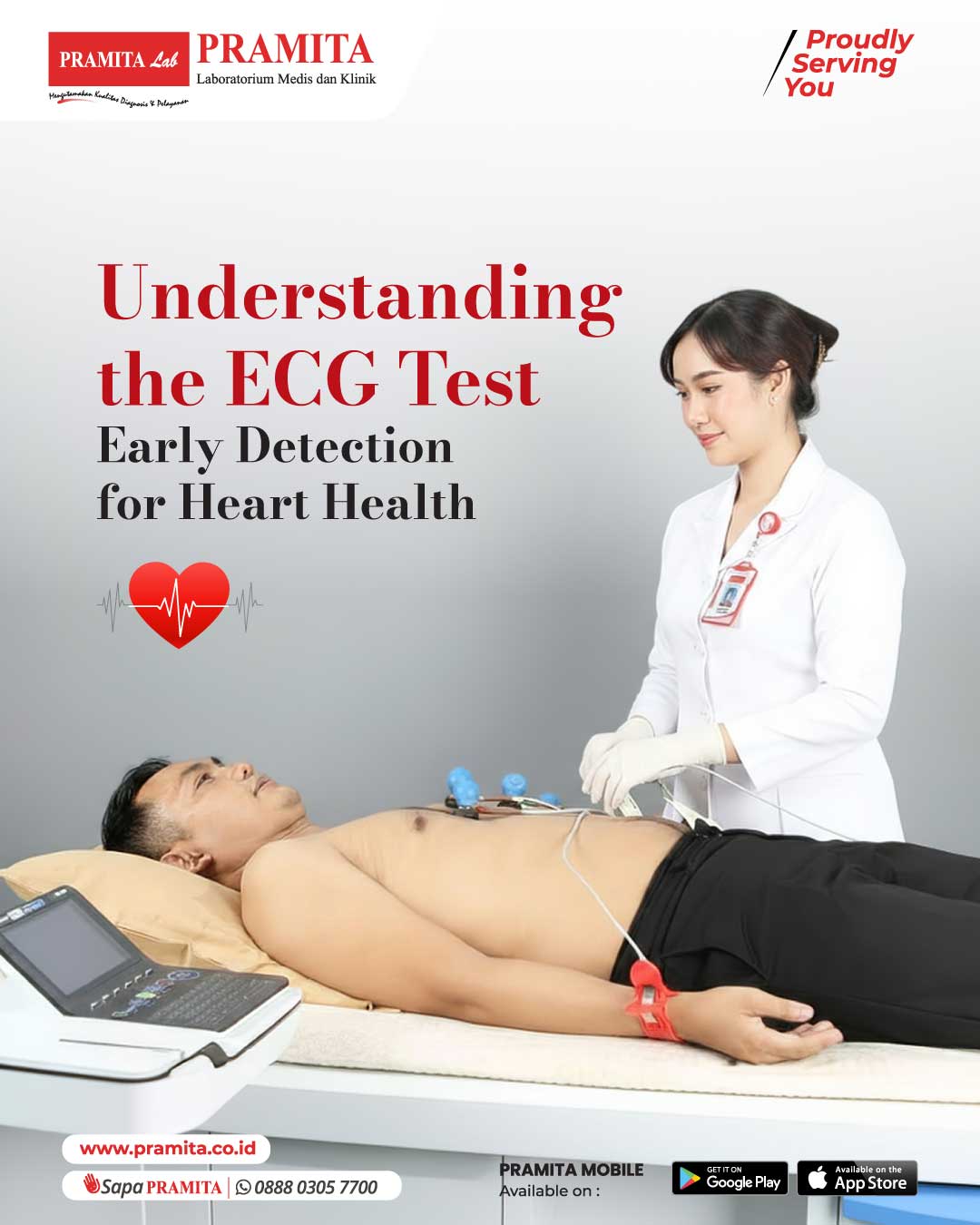
Understanding the ECG Test: Early Detection for Heart Health
Mon, 22 Sep 2025An electrocardiogram, better known as an ECG, is a test used to monitor the heart’s electrical activity. This screening examination aims to detect heart problems early, even before symptoms appear.
When the heart beats, electrical signals control the contraction of the heart muscle. The ECG records these signals as wave graphs, allowing doctors to assess whether the heart is functioning normally or showing signs of disorder.
Some heart conditions detectable with ECG include:
- Irregular heartbeat (arrhythmia): when the heart beats too fast, too slow, or unevenly.
- Enlarged heart muscle (cardiomyopathy): which reduces the heart’s ability to pump blood effectively.
- Heart attack: ECG can show current or past signs of a heart attack.
- Blocked arteries (coronary heart disease): which restrict blood flow and appear in ECG readings.
An ECG is recommended if you:
- Experience chest pain or shortness of breath.
- Feel palpitations or irregular heartbeats.
- Have a family history of heart disease.
- Are preparing for surgery (as part of pre-operative evaluation).
- Wish to undergo routine screening, especially at age 40 and above.
Types of ECG:
- Resting ECG: taken while the body is at rest.
- Stress ECG: conducted during activity, such as on a treadmill.
- Holter Monitoring: a portable device records ECG continuously for 24 hours.
Benefits of ECG Screening
Regular ECG testing helps detect heart problems early before they lead to serious complications. This enables timely medical intervention and reduces health risks. ECG also assists doctors in monitoring heart function during treatment or therapy.
The procedure is safe, quick, and painless. At PRAMITA, ECG examinations help you detect heart conditions early so preventive steps can be taken immediately.