




Healthy Inspirations
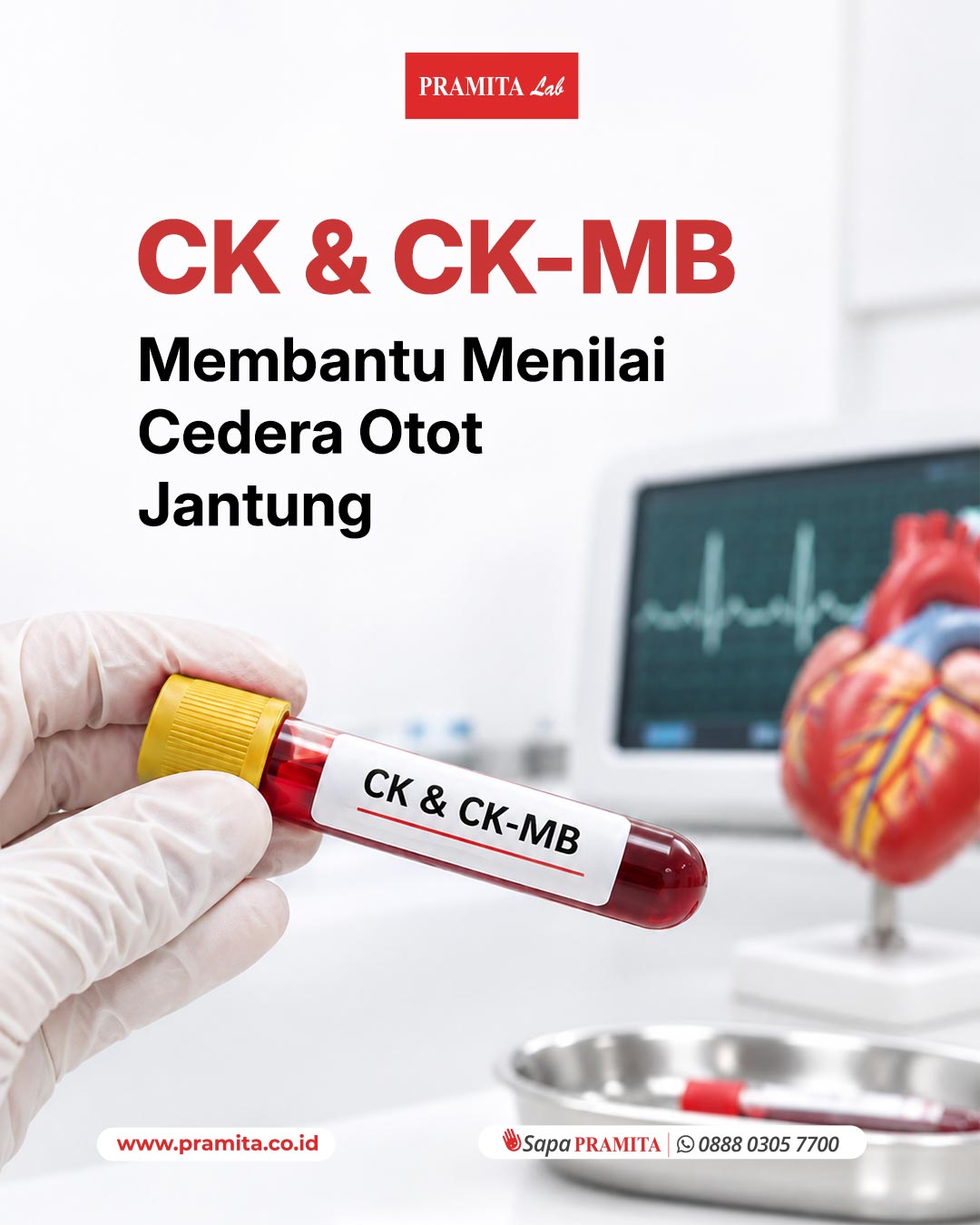
Understanding CK and CK-MB Tests for Muscle and Heart Injury Assessment
Mon, 23 Nov 2026Creatine Kinase (CK) and Creatine Kinase–Myocardial Band (CK-MB) are enzymes that can help healthcare professionals evaluate suspected muscle injury, including damage involving the heart muscle.
When muscle cells are damaged, these enzymes may enter the bloodstream, causing their levels to increase.
What Is the Difference Between CK and CK-MB?
CK is an enzyme found primarily in muscle tissues, including skeletal and cardiac muscles. Total CK testing helps assess potential muscle damage throughout the body.
CK-MB is a form of creatine kinase more closely associated with heart muscle than total CK. Measuring CK-MB may provide additional information when evaluating suspected cardiac muscle injury.
What Are the Benefits of These Tests?
CK and CK-MB tests can help doctors investigate possible muscle injury and monitor changes in enzyme levels through repeated testing when clinically appropriate.
However, elevated CK or CK-MB levels do not automatically confirm a heart attack. Results must be interpreted in conjunction with laboratory reference ranges, clinical symptoms, medical history, and other diagnostic findings.
What About Troponin Testing?
For patients with suspected acute myocardial infarction, commonly known as a heart attack, high-sensitivity cardiac troponin testing is the preferred biomarker assessment.
CK and CK-MB may serve as additional tests in selected clinical situations based on a doctor's evaluation.
Understanding the purpose and limitations of laboratory tests can help patients make informed healthcare decisions and avoid misinterpreting individual results.
Consult your doctor to determine which laboratory tests are appropriate for your condition.
For more information about laboratory testing services, visit PRAMITA.
PRAMITA – Serving You with Heart.