




Healthy Inspirations
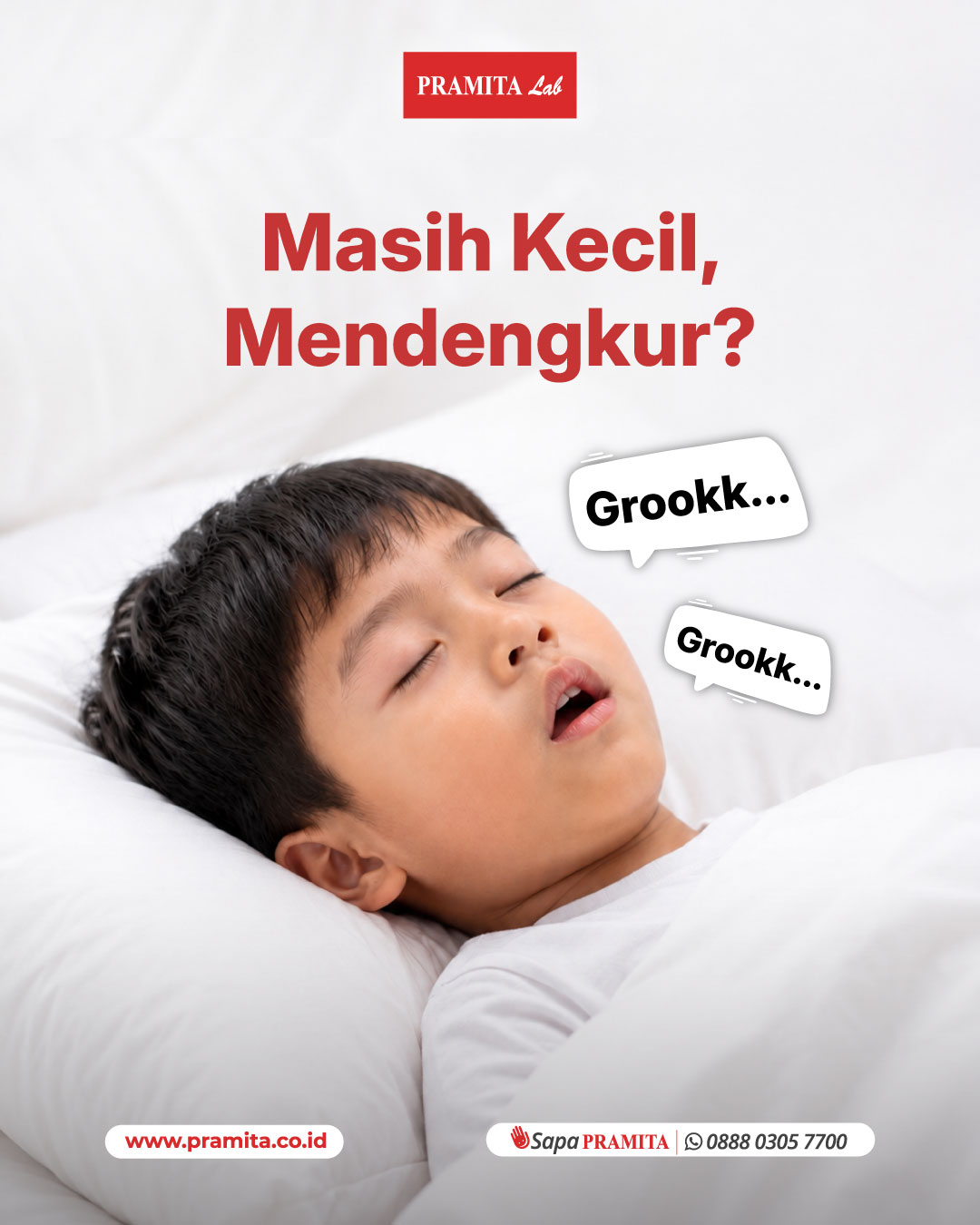
Is your little one snoring regularly during their sleep?
Tue, 1 Sep 2026Watching a young child sleep is usually a picture of peace and tranquility. However, what if your little one regularly snores loudly throughout the night? Many parents tend to dismiss childhood snoring as a harmless habit or a sign of a very deep, exhausting sleep. In reality, heavy snoring at an early age can be an important biological warning sign that points to an underlying sleep disorder that requires immediate professional evaluation.
According to the official practice guidelines released by the American Academy of Pediatrics (AAP), regular snoring in children is the most common symptom associated with Obstructive Sleep Apnea Syndrome (OSAS). This clinical condition arises when the upper airway becomes partially or completely blocked repeatedly during sleep. If left untreated, pediatric OSAS can yield troublesome complications and drastically lower a child's overall quality of life.
While it is verified that most children with OSAS snore, data shows that parents rarely mention this critical habit during routine healthcare visits. Detecting this condition early is highly beneficial because proper intervention helps relieve active symptoms, improves overall childhood well-being, prevents advanced sequelae, and reduces unnecessary healthcare utilization.
To accurately differentiate between a benign snore and a dangerous breathing obstruction, the American Academy of Pediatrics establishes a clear diagnostic pathway. If a child exhibits consistent snoring or other clinical signs of sleep disruption, the physician should recommend an objective evaluation known as polysomnography. Conducted in a specialized sleep laboratory environment, a polysomnography track monitors and records vital physiological metrics over the course of the night, including brain activity, oxygen levels, breathing patterns, and heart rate. This detailed sleep study serves as the definitive golden standard to confirm the diagnosis and measure the exact severity of the sleep obstruction. Therefore, keeping a close eye on your child’s nocturnal breathing habits is a vital step toward protecting their long-term developmental health.