



Healthy Inspirations
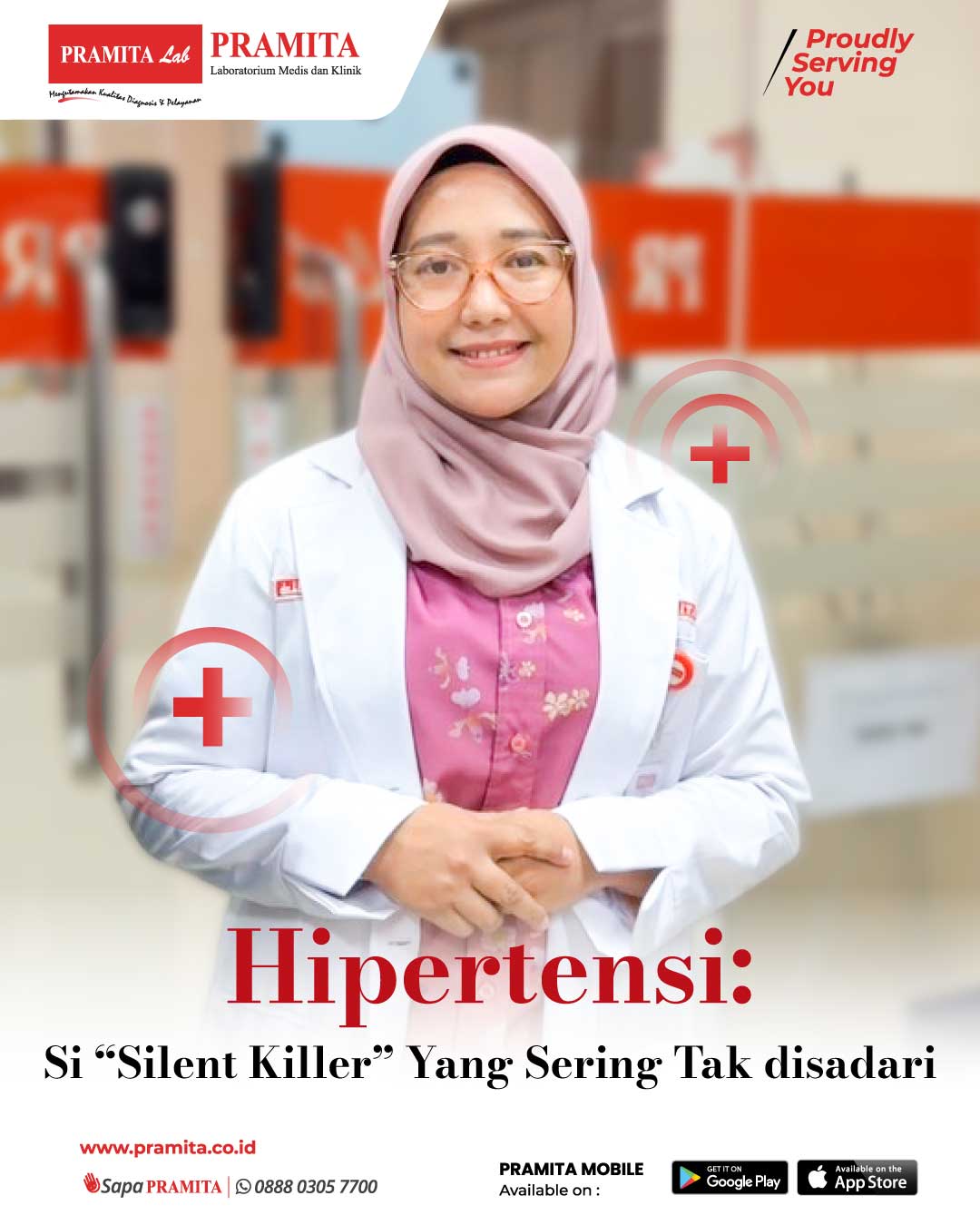
Hypertension: The “Silent Killer” That Often Goes Unnoticed
Wed, 10 Sep 2025Hypertension, or high blood pressure, is a serious medical condition that often develops without noticeable symptoms. Despite this, it can lead to dangerous complications such as stroke, heart disease, kidney failure, and even vision problems.
What Is Hypertension?
According to the World Health Organization (WHO), a person is considered to have hypertension when their blood pressure consistently exceeds 140/90 mmHg across multiple measurements. Blood pressure is measured with two numbers: systolic (the upper number) and diastolic (the lower number), which indicate the pressure when the heart pumps and when it rests, respectively.
Blood Pressure Categories
Blood pressure is classified into several categories:
-
Normal: Systolic < 120 and Diastolic < 80 mmHg
-
Prehypertension: Systolic 120–139 or Diastolic 80–89 mmHg
-
Hypertension: Systolic ≥ 140 or Diastolic ≥ 90 mmHg
-
Hypertensive Crisis: Systolic > 180 or Diastolic > 120 mmHg — this is a medical emergency.
Types of Hypertension
Hypertension is divided into two main types:
-
Primary (Essential) Hypertension
This is the most common type, usually developing gradually with no identifiable cause. Genetic factors and lifestyle choices play a major role. -
Secondary Hypertension
Caused by underlying medical conditions such as kidney disorders, adrenal gland problems, or the use of certain medications.
Risk Factors for Hypertension
Risk factors are generally grouped into two categories:
-
Non-modifiable: age, gender, and family history.
-
Modifiable: sedentary lifestyle, unhealthy diet, obesity, high salt intake, smoking, excessive alcohol consumption, and chronic stress.
Warning Signs to Watch For
Hypertension is often called the “silent killer” because many people don’t experience symptoms. However, in some cases, symptoms may include:
-
Headaches
-
Blurred vision
-
Nosebleeds
-
Shortness of breath
-
Chest pain
-
Nausea and vomiting
-
Irregular heartbeat
-
Ringing in the ears
-
Confusion or difficulty speaking
If you experience any of these symptoms repeatedly, it’s important to have your blood pressure checked and seek medical advice.
Possible Complications
When left untreated, hypertension can lead to serious health complications, including:
-
Stroke
-
Heart attack
-
Kidney failure
-
Retinopathy (eye damage)
-
Aneurysm
-
Vascular dementia
-
Pregnancy complications
How to Prevent Hypertension
The good news is, hypertension can be prevented and managed. Here are some simple steps you can take today:
-
Eat a healthy, low-sodium diet
-
Exercise regularly (at least 30 minutes a day)
-
Avoid smoking and alcohol
-
Manage stress effectively
-
Get enough quality sleep
-
Monitor your blood pressure regularly
Let’s take care of our heart and blood vessels together!
By adopting a healthy lifestyle and getting regular blood pressure checks, we can reduce the risk of hypertension and live healthier lives.