




Healthy Inspirations
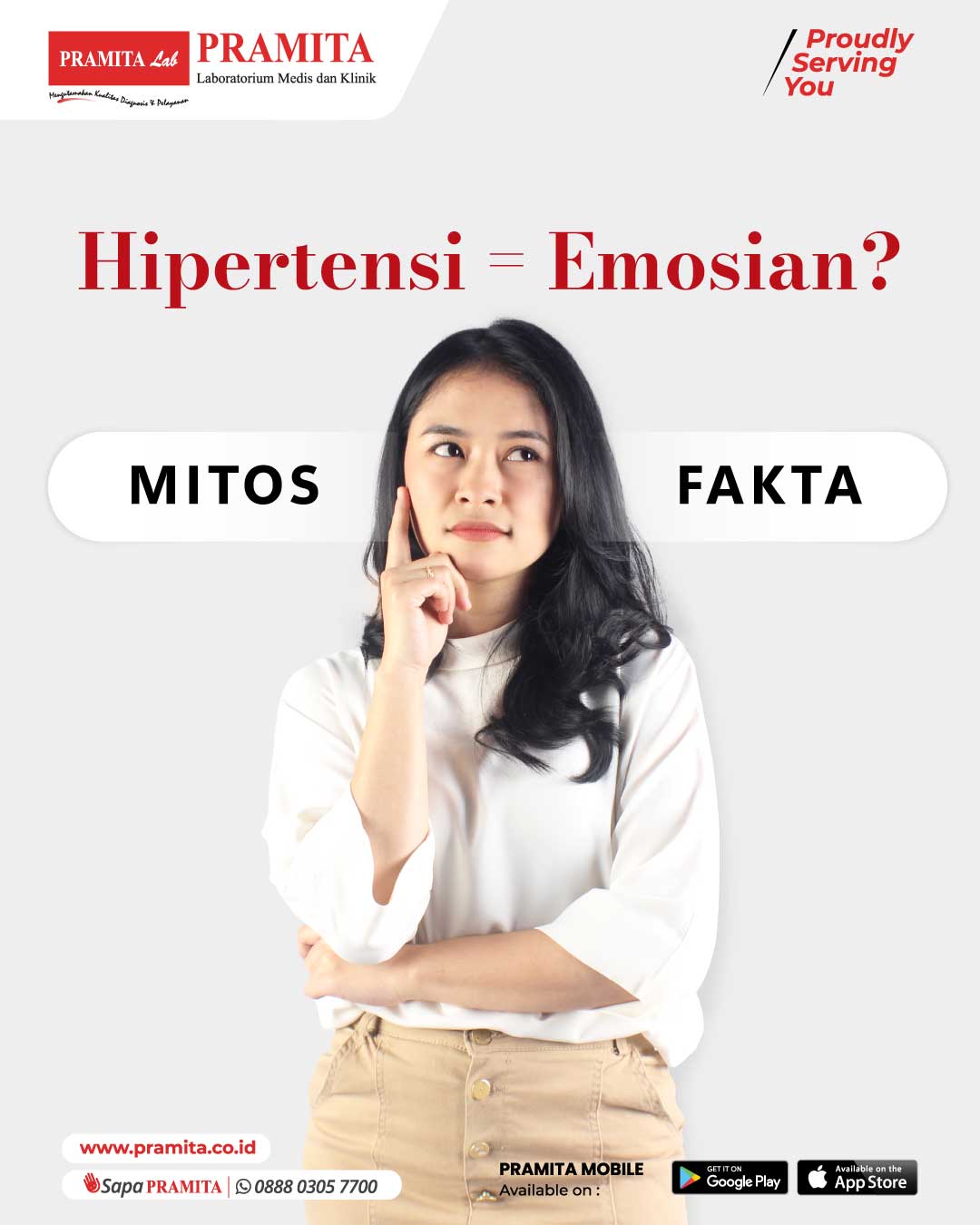
Hypertensiom = Short Tempered? Myth or Fact
Tue, 27 May 2025According to the World Health Organization (WHO), hypertension is a condition in which a person’s blood pressure consistently remains above the normal range. Often symptomless, it increases the risk of stroke, heart disease, and organ damage.
The causes vary from high salt intake, chronic stress, physical inactivity, being overweight, to genetic factors. Although more common in older adults, hypertension is increasingly found in younger populations.
The belief that individuals with high blood pressure are easily angered is a widely held myth. Scientific studies reveal that high blood pressure doesn’t directly cause emotional instability. Instead, physical discomfort—such as headaches, neck tension, rapid heartbeat, or fatigue—can impact mood. Moreover, the long-term commitment to daily medication may contribute to psychological stress, influencing emotional wellbeing.
Recent research indicates that emotional volatility is more closely linked to reduced quality of life and mental stress than to hypertension itself.
Importance of a Comprehensive Hypertension Panel
To fully understand your health condition, undergoing a hypertension panel test is highly recommended. This includes:
Complete blood count: detects infection or anemia
Urinalysis: early signs of kidney damage
Fasting & postprandial glucose: checks for diabetes risk
Lipid profile: measures cholesterol and triglyceride levels
Kidney function (urea & creatinine): assesses kidney performance
Uric acid: identifies gout risks
Electrolytes (sodium, potassium, calcium): maintains fluid and heart balance
Microalbumin: early kidney damage marker
Cortisol (stress hormone): detects hormonal causes
Chest X-ray: evaluates heart and lung condition
Electrocardiogram (ECG): identifies heart enlargement or rhythm issues
These tests help not only to uncover the cause of high blood pressure but also prevent complications and determine appropriate treatments. While some medications may affect mood, most are safe when taken under medical supervision.