




Healthy Inspirations
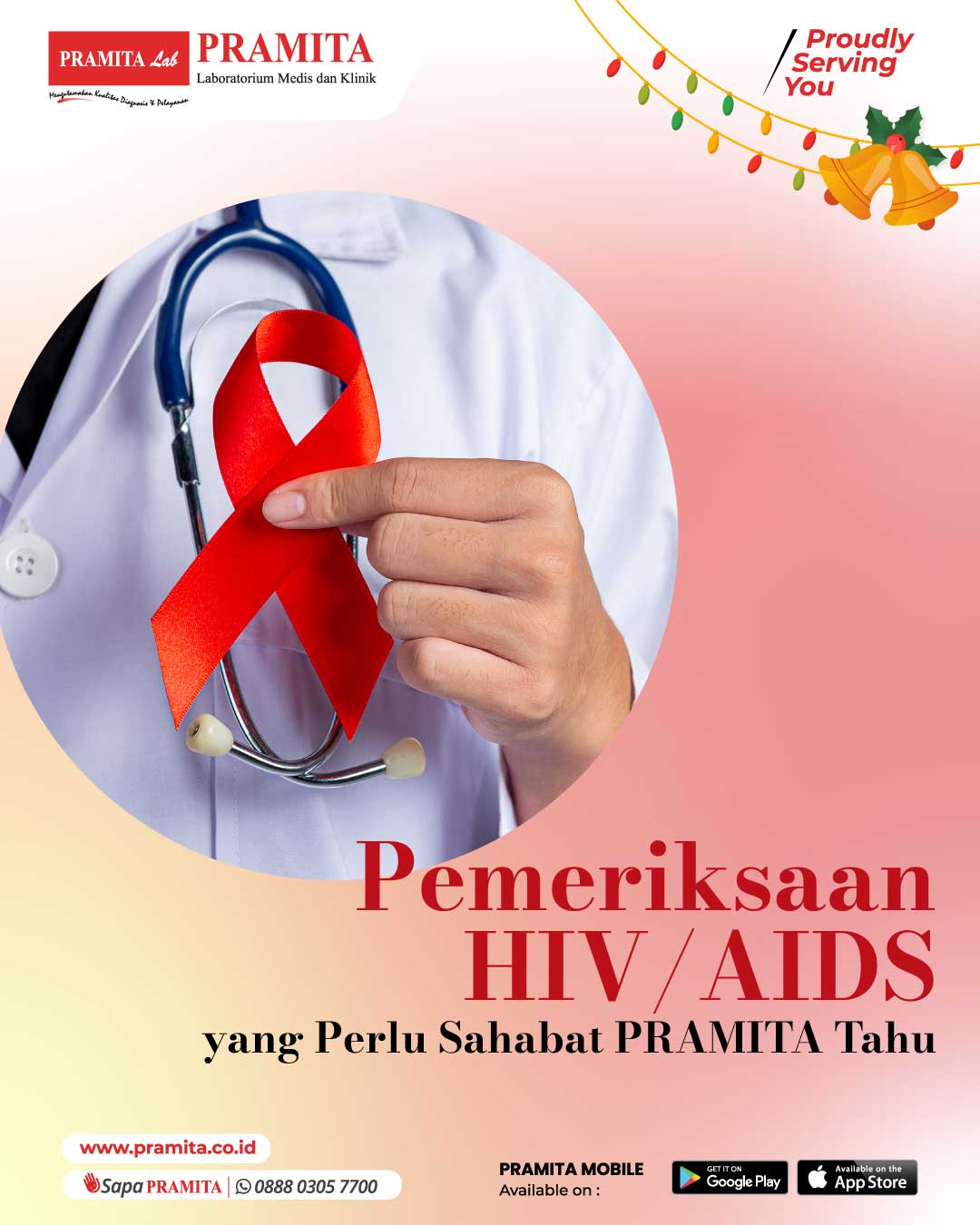
HIV/AIDS Tests You Need to Know
Mon, 8 Dec 2025HIV and AIDS – What’s the Difference?
Although often mentioned together, HIV and AIDS are not the same. HIV (Human Immunodeficiency Virus) is a virus that attacks the immune system, making it harder for the body to fight infections. AIDS (Acquired Immunodeficiency Syndrome), on the other hand, is the advanced stage of HIV infection that occurs when the immune system becomes severely weakened and serious illnesses appear.
HIV can be controlled with proper treatment but cannot be completely eliminated from the body. Therefore, early detection through laboratory testing is essential for timely and effective treatment.
Why HIV Testing Is Important
HIV often shows no symptoms in its early stages. The only way to know your status for sure is by getting tested. Testing helps to:
Understand your own and your partner’s health status.
Start antiretroviral (ARV) therapy early.
Prevent transmission to others.
People who know their HIV status and receive proper treatment can live long, healthy, and productive lives.
Types of HIV Tests Commonly Done
Antigen–Antibody Test – Detects both HIV antigens and antibodies in the blood, usually within 2–6 weeks after exposure.
HIV Antibody Test – Detects antibodies in blood or saliva; fast and practical, but accurate 3–12 weeks after exposure.
Nucleic Acid Test (NAT) – The most sensitive test, detecting the virus directly in the blood. Ideal for early detection after recent exposure.
Follow-up Tests After a Positive HIV Result
If the result is positive, doctors may recommend additional tests such as:
CD4 Count to assess immune strength.
Viral Load Test to measure the amount of HIV in the blood.
Drug Resistance Test to determine the most effective ARV therapy.
With proper and consistent treatment, viral load can drop to undetectable levels, reducing transmission risk significantly.
When Should You Get Tested?
The Centers for Disease Control and Prevention (CDC) recommends everyone aged 13–64 get tested for HIV at least once in their lifetime. Those at higher risk — such as people with multiple sexual partners or who share needles — should test more frequently, at least once a year.
Conclusion
HIV/AIDS testing is more than a health check; it’s a responsible step to protect yourself and others. Early detection opens the door to effective treatment and a normal, healthy life.
At PRAMITA Laboratory & Medical Clinic, you can undergo confidential HIV testing with modern facilities and accurate results. Because protecting your health starts with awareness.