




Healthy Inspirations
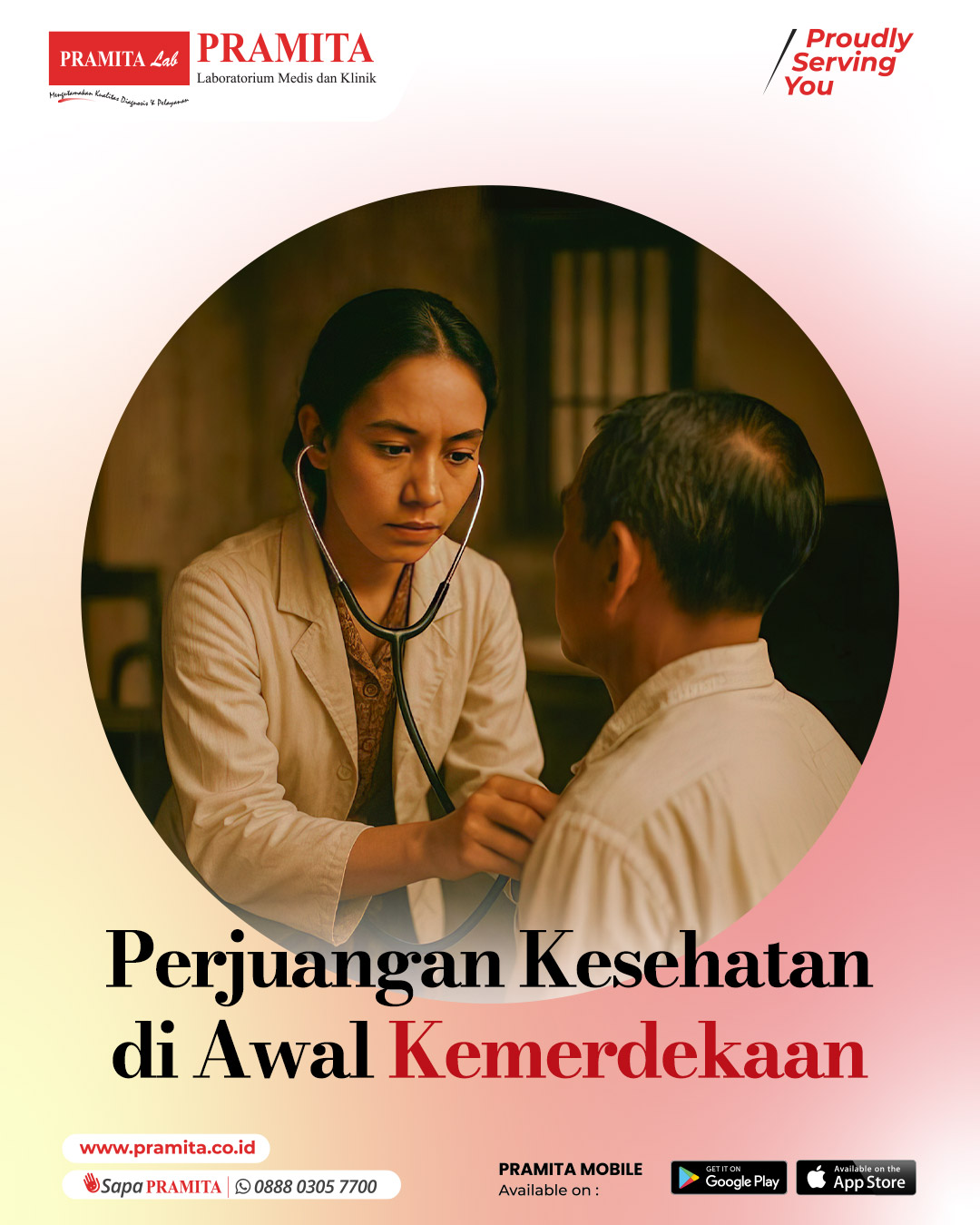
Health Struggles in the Early Days of Independence
Mon, 18 Aug 2025In the Early Days of Indonesia's Independence, the Struggle Was Not Only on the Battlefield
Behind the front lines where fighters bore arms, stood resilient figures in the world of healthcare—doctors, nurses, paramedics, and midwives—who fought to save lives amid limited tools and medicine.
Life-Threatening Diseases
The period between 1945–1947 was critical for public health. Based on reports from the Ministry of Information of the Republic of Indonesia and the Health Service of Jakarta City (DKK) throughout 1946, several infectious diseases became the main cause of death:
-
Dysentery: Affected 2,156 people with an annual death toll reaching 600. It was mainly caused by poor sanitation and unclean water.
-
Malaria: There were 42,506 recorded cases during the Japanese occupation, which sharply rose to 421,195 cases within 20 months after independence.
-
Yaws (Frambesia): A tropical skin infection causing rashes and ulcers, often found in slum areas with poor sanitation. It affected 26,508 residents.
-
Typhus and Paratyphus: With 545 and 21 reported cases respectively.
-
Honger Oedeem (Severe Malnutrition): Not officially recorded due to Japanese censorship but was widely present in society.
This condition was worsened by the severe shortage of healthcare workers. Of the 26 doctors in Jakarta, only 14 remained loyal to the Republic. Hospitals were scarce, equipment was makeshift, and many doctors used their own money to purchase medical supplies.
Tireless Commitment
Medical workers served day and night without expecting reward. At Cikini and Budi Kemulyaan Hospitals, students and nurses set up Red Cross posts to treat war victims. Some even turned their home garages into emergency clinics, which were later recognized by the government as official polyclinics of the Republic.
The spirit to defend the Republic’s health sovereignty never faded. When the DKK was to be taken over by the Batavia Municipality in 1948, health workers chose to leave their offices and serve people in marketplaces rather than submit to the colonizers.
Modern Diagnostics, Faster Detection
Today, Sahabat PRAMITA no longer need to suffer as people did in the past. Diseases that were once fatal can now be detected early through modern lab technologies, such as:
-
Dysentery & Typhoid: Stool analysis, Widal test, and blood culture.
-
Malaria: Blood smear (thick & thin), rapid diagnostic test (RDT).
-
Yaws: Specific antibody tests (TPHA & RPR).
-
Malnutrition: Albumin test, protein levels, and electrolyte analysis.
-
Dengue & Acute Infections: Complete blood count, hematocrit, NS1, and Dengue IgM/IgG tests.
From History to the Future
The story of Indonesia’s medical heroes reminds us that health is an inseparable part of independence. Today, with fast, accurate, and convenient laboratory facilities like PRAMITA, the public has greater hope for a healthy, high-quality life.