




Healthy Inspirations
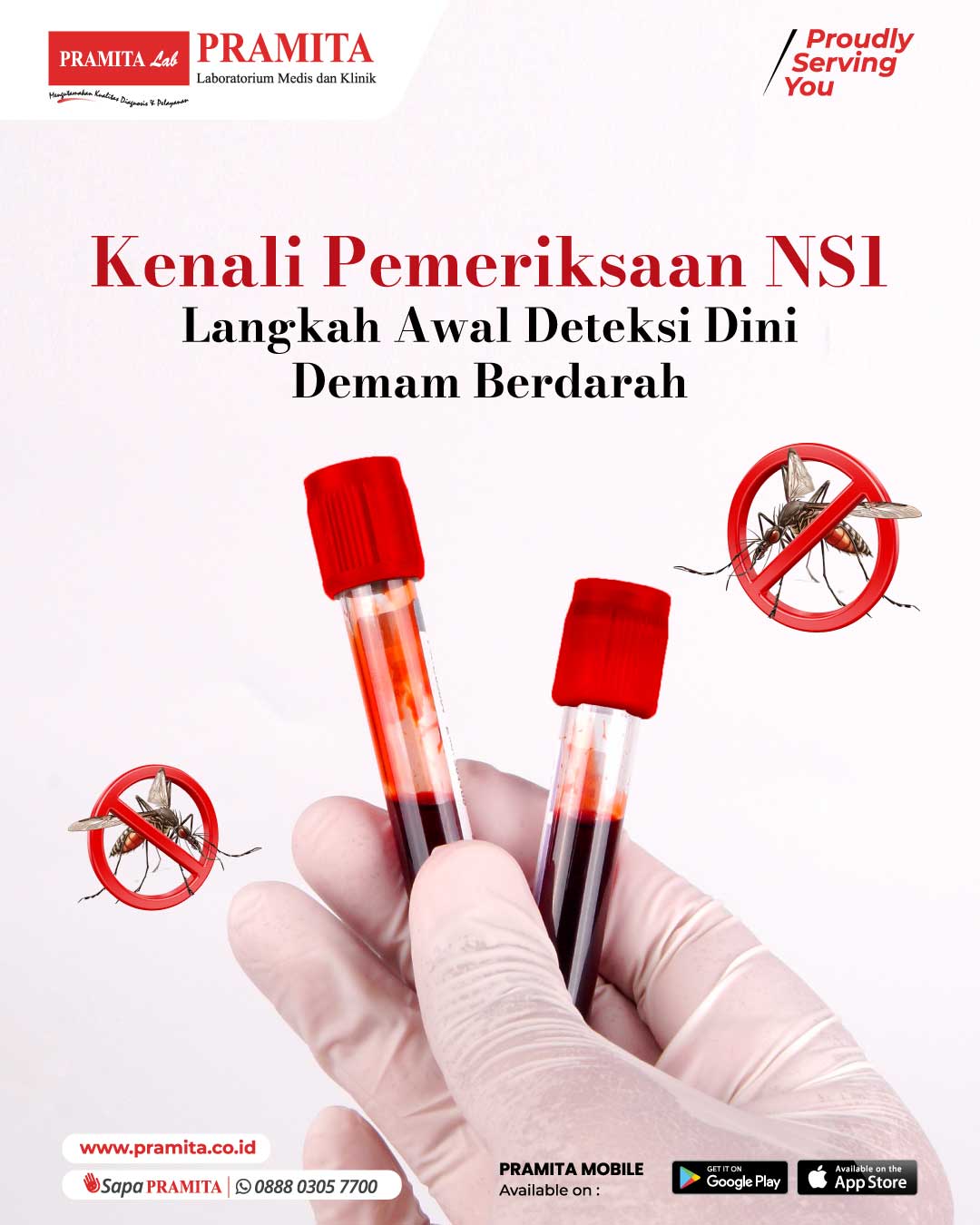
Get to Know the NS1 Test: An Early Step in Detecting Dengue Fever
Mon, 4 Aug 2025Dear PRAMITA friends, dengue fever remains one of the most common diseases in Indonesia, especially during the rainy season. One of the earliest and fastest ways to detect this illness is through the NS1 test. This test can identify a specific protein produced by the dengue virus—the cause of dengue fever.
When a person is bitten by an Aedes aegypti mosquito carrying the virus, the virus enters the bloodstream and starts to multiply. In the early stage of infection, it releases a protein called NS1. This protein is the main target of the NS1 test, making it possible for doctors to detect the virus as early as the first day symptoms appear.
The NS1 test is recommended within the first 1–5 days of symptom onset, such as high fever, headache, eye pain, nausea, vomiting, and muscle aches. After the fifth day, NS1 levels drop, reducing test accuracy. At that point, doctors usually recommend antibody tests like IgM or IgG instead.
Interestingly, the NS1 test doesn’t require special preparation. PRAMITA friends don’t need to fast or stop activities beforehand. The procedure is simple: a blood sample is taken
If the result is positive, it may indicate a current dengue infection. However, a negative result doesn’t always mean you're free from the virus—protein levels might still be too low to detect. Monitoring symptoms and follow-up tests remain essential.
The NS1 test is a smart first step to prevent severe dengue complications. Early detection leads to quicker and more accurate treatment.