




Healthy Inspirations
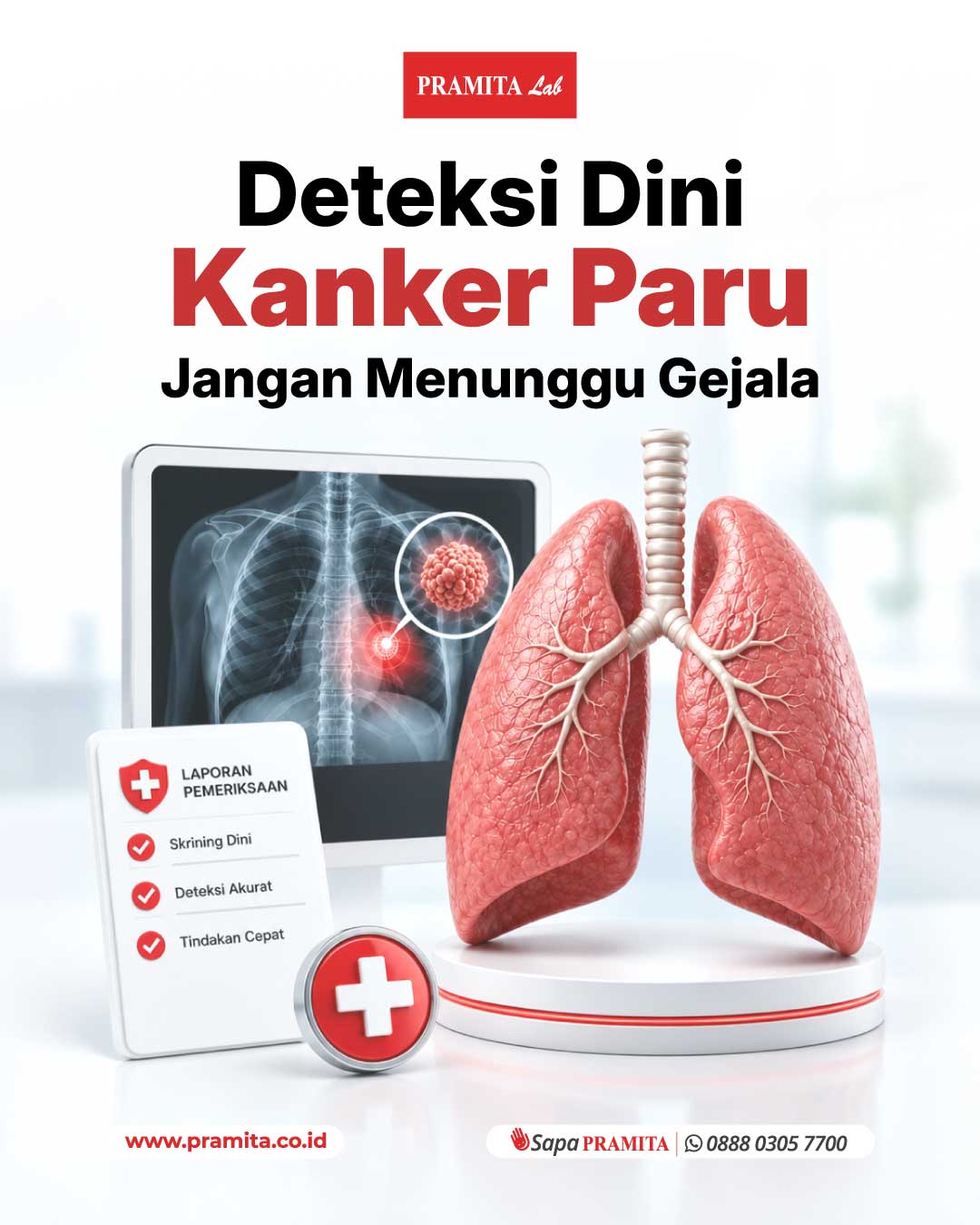
Early Detection of Lung Cancer : Do Not Wait for Symptomps
Thu, 30 Jul 2026Lung cancer remains one of the greatest health threats worldwide. Based on global cancer data from 2022, nearly 2.5 million new cases of lung cancer were recorded. The disease also caused approximately 1.8 million deaths, accounting for 18.7% of all cancer-related deaths worldwide.
These high figures highlight the importance of recognizing risk factors, paying attention to symptoms, and undergoing examinations as recommended by a doctor. Early detection does not mean undergoing every available test, but rather selecting the appropriate examinations based on age, smoking history, environmental exposure, symptoms, and overall health condition.
Supporting Examinations for Lung Cancer
A complete blood count can help doctors evaluate anemia, infection, or inflammatory conditions. However, this examination cannot be used specifically to confirm whether lung cancer is present.
Liver function tests, such as AST, ALT, and bilirubin, can be used to assess liver health. Electrolyte tests, including sodium, potassium, and chloride, help evaluate fluid and electrolyte balance, particularly in patients experiencing vomiting, diarrhea, or reduced appetite.
Tumor markers such as CEA, NSE, SCC antigen, and CYFRA 21-1 may provide additional information in certain conditions. Tumor marker results cannot be used alone to confirm a diagnosis because their levels may also change due to conditions other than cancer.
Sputum cytology is performed by examining a phlegm sample to look for abnormal cells. An ECG can help determine whether chest pain, heart palpitations, or shortness of breath may be related to a heart condition. Meanwhile, spirometry is used to measure lung function and help evaluate diseases such as Chronic Obstructive Pulmonary Disease, or COPD.
A chest X-ray may reveal masses, nodules, or other abnormalities within the chest cavity. However, chest X-rays, sputum cytology, and biomarker tests have not been proven to reduce mortality when used as lung cancer screening methods in the general population.
For certain high-risk groups, screening with low-dose computed tomography, or LDCT, may be considered after consultation with a doctor. This examination has been proven to help detect lung cancer at an earlier stage and reduce the risk of death in appropriately selected individuals.
PRAMITA Friends who experience a persistent cough, coughing up blood, shortness of breath, chest pain, hoarseness, or unexplained weight loss should promptly consult a doctor.
Early detection is not a sign of fear, but a precautionary step toward receiving the appropriate examination and treatment.