




Healthy Inspirations
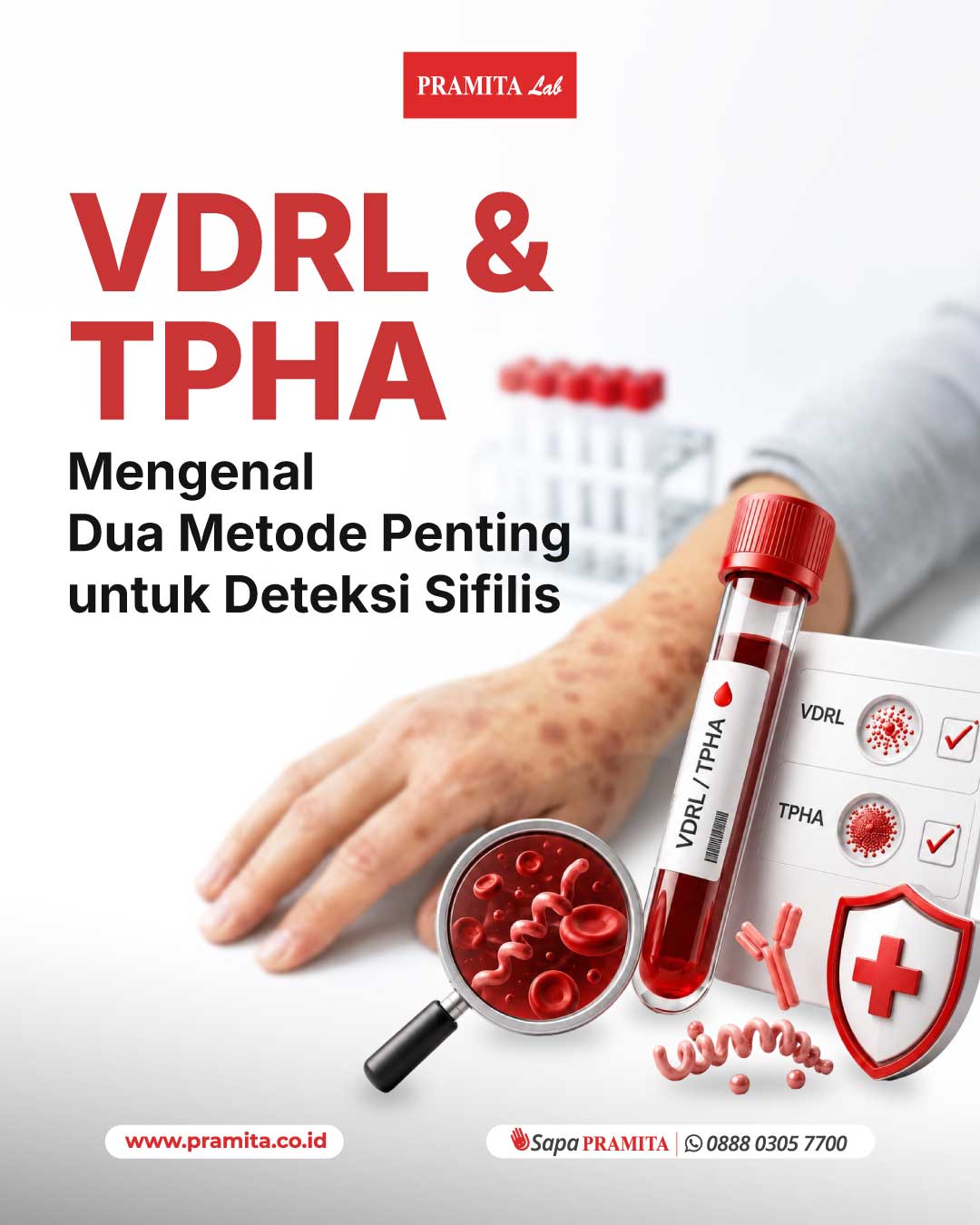
Understanding VDRL and TPHA: The Essential Lab Tests for Syphilis Screening
Mon, 24 Aug 2026Staying proactive about sexual and reproductive health is an integral part of maintaining a healthy modern lifestyle for the younger generation. One particular condition that requires high clinical awareness is syphilis, a chronic infectious disease triggered by the bacteria Treponema pallidum. Because its outward physical signs often closely mimic regular, non-infectious dermatological issues, a definitive clinical diagnosis can never rely on symptoms alone and must always be backed by precise laboratory blood panels.
In the clinical laboratory, serological blood tests are utilized to detect the presence of antibodies against the pathogen. Clinicians divide these serological evaluations into two functional categories that complement each other: non-treponemal tests, primarily represented by VDRL (Venereal Disease Research Laboratory), and treponemal confirmation tests, most notably TPHA (Treponema pallidum haemagglutination assay). Each of these tests serves a distinct purpose throughout the diagnostic and monitoring timeline.
The screening workflow typically begins with the VDRL test. The baseline principle of VDRL involves measuring specific antibodies produced by the body in response to host cell damage caused by the bacterial infection. VDRL offers both qualitative classification (reactive or non-reactive) and quantitative reporting through serial dilution titers. The primary advantage of VDRL is its utility in monitoring treatment progress; following successful medical therapy, the non-treponemal antibody titers will gradually decline and can eventually become completely non-reactive. However, VDRL can occasionally produce biological false-positive results due to other underlying systemic conditions such as malaria, viral hepatitis, or even normal pregnancy.
To rule out any false positives, a reactive VDRL result must always be cross-referenced with a TPHA confirmation test. The TPHA assay specifically detects antibodies targeted against actual components of the T. pallidum bacteria via a clear red blood cell agglutination method. While TPHA offers exceptional sensitivity and specificity, it features a crucial caveat: treponemal antibodies often persist in the patient’s bloodstream for life, even after the infection is completely cured. Consequently, TPHA remains a vital tool for initial diagnostic confirmation but cannot be deployed to monitor ongoing treatment efficacy. Utilizing both testing modalities in tandem ensures optimal accuracy for long-term clinical management.