




Healthy Inspirations
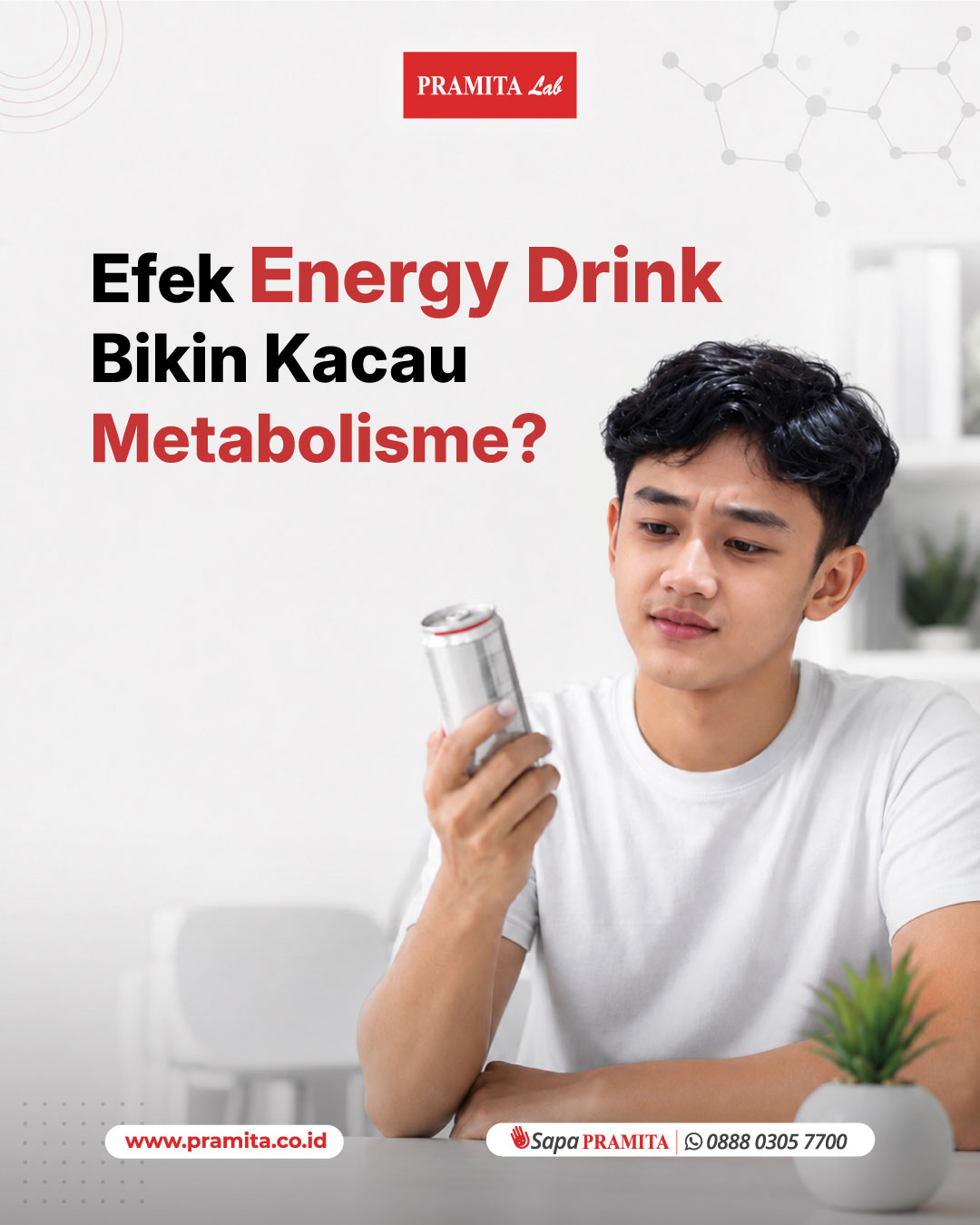
Energy Drinks: Quick Boost, Affected Insulin?
Fri, 9 Oct 2026Energy drinks have become an increasingly popular choice among young adults seeking a quick boost to stay awake and focused during late-night study or work sessions. While these beverages effectively increase alertness, it is essential to understand how high-volume consumption impacts the body's internal physiology.
According to a randomized controlled clinical trial involving healthy young adults, consuming a high volume of a commercial energy drink induces immediate cardiovascular and metabolic alterations. Within one hour of intake, participants experienced a transient elevation in systolic blood pressure and changes in heart rhythm parameters, specifically a prolongation of the QTc interval. These cardiovascular changes typically reached their peak at one hour before returning toward baseline over several hours.
Simultaneously, the study recorded acute shifts in metabolic markers. One hour post-consumption, serum glucose levels decreased while serum insulin concentrations surged significantly. This disproportionate insulin spike led to an elevated HOMA-IR index, reflecting an acute reduction in insulin sensitivity. It is important to clarify that these findings do not imply energy drinks directly cause chronic metabolic disorders, but rather highlight the short-term physiological stress placed on the body's glucose-regulating mechanisms.
To monitor metabolic health and cardiovascular wellness effectively, targeted laboratory evaluations are recommended. Suggested diagnostic tests include blood glucose assessments, serum insulin level measurements, HOMA-IR index calculation to evaluate insulin sensitivity, and electrocardiography (ECG) to monitor heart rhythm. Prioritizing regular health checkups ensures well-being alongside #sahabatpramita.